

Jacket Style vs. Wing Style BCDs: What's Your Perfect Fit for Adventure?
Hey there, fellow ocean explorer! If you're gearing up for your next underwater adventure and pondering which Buoyancy Control Device (BCD) to add to your diving kit, you're not alone. Whether you're torn between a classic jacket style BCD or the sleek, streamlined wing style BCD, making the right choice is key to enhancing your underwater experience. We'll break down the benefits of each option and explore some cool harness and wing setups to suit your style and needs. Ready to find your perfect BCD fit? Let's dive into the world of buoyancy control and get you sorted with the best BCD recommendations around!
Jacket Style vs. Wing Style BCDs
When choosing a BCD, you'll mainly encounter two types: jacket style and wing style. Let's explore these options to help you make an informed decision for your diving adventures.
Exploring Jacket Style BCDs
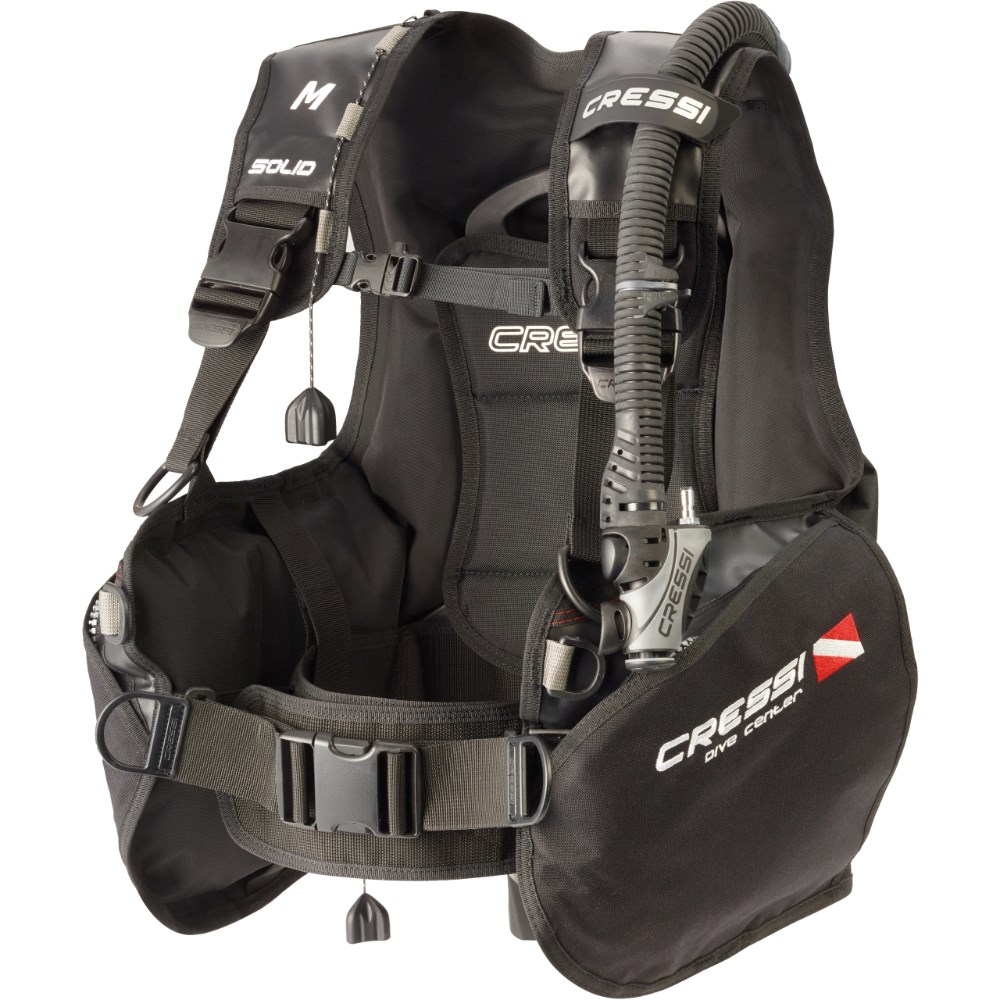
Jacket style BCDs are the traditional choice for many divers. These BCDs wrap around your torso, providing a snug fit and familiar feel.
Jacket BCDs feature air bladders that encircle your body, offering balanced buoyancy control. They often come with integrated weight pockets, making it easy to adjust your weight distribution.
Many divers appreciate the jacket style for its simplicity and comfort, especially beginners who are still getting used to underwater equipment. These BCDs also typically have multiple D-rings and pockets for attaching accessories.
Understanding Wing Style BCDs
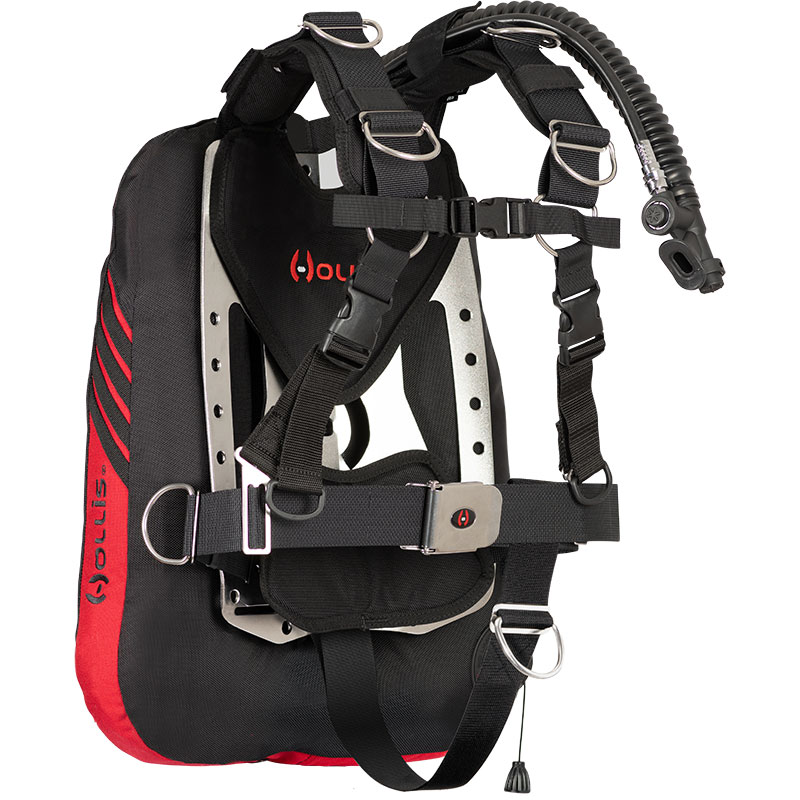
Wing style BCDs offer a more streamlined design, with the air bladder positioned behind the diver. This setup provides excellent buoyancy control and reduces drag underwater.
These BCDs consist of a harness system and a separate wing-shaped air cell. The design allows for more flexibility in customisation, as you can mix and match different harnesses and wings to suit your needs.
Wing style BCDs are popular among advanced and technical divers and those who prefer a minimalist approach. They offer excellent trim in the water and can accommodate larger tanks for extended dives.
Comparing Harness and Wing Setups
Harness and wing setups are a subset of wing style BCDs that offer even more customisation options. These systems allow divers to choose separate components for a tailored fit.
The harness provides the structure, while the wing (air cell) attaches to it. This modular approach lets you select the perfect combination for your diving style and body type.
Harness and wing setups are ideal for experienced divers who know exactly what they need from their equipment. They can be adjusted for various diving conditions and tank configurations.
Benefits of Each BCD Type
Understanding the advantages of jacket and wing style BCDs can help you choose the right one for your diving needs. Let's break down the benefits of each type.
Jacket Style BCD Benefits
Jacket style BCDs offer several advantages that make them popular among divers, especially beginners and recreational divers.
These BCDs provide excellent stability and comfort in the water. The wrap-around design helps keep you balanced and reduces the feeling of "tipping" that some divers experience.
Jacket BCDs often have more storage options, with multiple pockets and attachment points for accessories. This can be particularly useful for divers who like to carry extra gear.
Many divers find jacket style BCDs easier to don and doff, which can be a significant advantage when gearing up on a rocking boat or in choppy waters.
Wing Style BCD Advantages
Wing style BCDs come with their own set of benefits that appeal to many divers, particularly those looking for enhanced performance and versatility.
The streamlined design of wing BCDs reduces drag in the water, allowing for more efficient swimming and potentially longer dive times. This can be especially beneficial for underwater photographers or videographers.
Wing BCDs often provide better trim control, helping divers maintain a horizontal position in the water more easily. This can lead to improved buoyancy control and a more comfortable diving experience.
These BCDs are typically more versatile, accommodating various tank configurations and diving styles. This makes them a popular choice for advance and technical divers or those who engage in different types of diving.
Our Top Recommendations
Choosing the right BCD can significantly enhance your diving experience. Here are our top picks and some tips to help you make the best choice.
Best BCD Recommendations
When it comes to selecting a BCD, there's no one-size-fits-all solution. However, we have some top recommendations for all divers, regardless of their experience level.
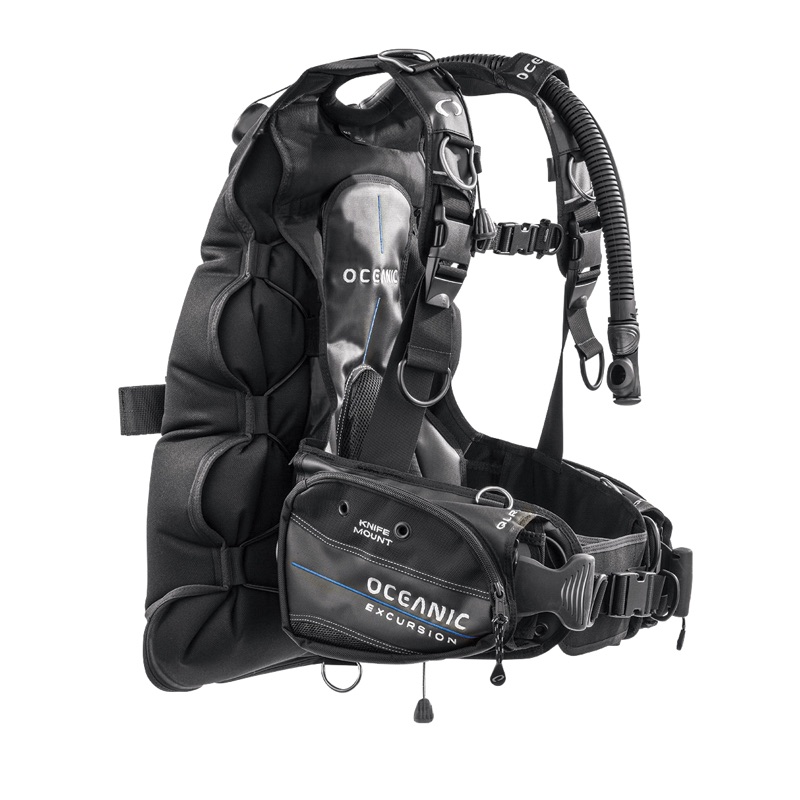
Divers of all experience levels might consider the Oceanic Excursion or the Cressi Commander. Both options offer comfort, ease of use, and excellent performance in various diving conditions along with ample storage space for accessories.
Remember to consider factors such as fit, buoyancy capacity, and weight integration when making your choice. Always try on a BCD before purchasing if possible.
Making Your Perfect BCD Choice
Selecting the ideal BCD involves considering your diving style, experience level, and personal preferences. Here are some tips to help you make the right choice:
-
Assess your diving needs: Consider the types of diving you do most often and choose a BCD that suits those conditions.
-
Try before you buy: If possible, test different BCD styles in a pool or during a dive to see which feels most comfortable.
-
Consider your future diving plans: If you're planning to advance your diving skills, choose a BCD that can grow with you.
-
Don't forget about maintenance: Some BCDs are easier to clean and maintain than others. Factor this into your decision if it's important to you.